Cybersecurity, FinancialSector
Importance of cybersecurity in the financial sector
Data and Transaction Protection in the Digital Age
The financial sector is a cornerstone of the global economy, handling vast amounts of sensitive information such as personal data and financial transactions. Technological advancements have revolutionized its operations, but they have also created challenges, making cybersecurity a top priority.
Increase in attacks
The rise of technology and the digitization of systems has brought with it a considerable increase in risks, threats, and security incidents across the entire IT landscape. Furthermore, as this is a relatively recent and still developing phenomenon, cybersecurity measures and knowledge are often insufficient to address these types of problems.
Specifically, in recent years, the financial sector has been one of the main targets of cyberattacks. According to the Ministry of the Interior, in 2022, 17.4% of attacks suffered—almost one in five—were directed at the tax or financial system. Moreover, S21Sec states that, last year, the number of attacks targeting these types of institutions increased by around 50%, placing the sector in a serious threat situation.
Main attacks
• Phishing: This involves mimicking a secure and reliable communication channel to collect confidential information, usually passwords. These attacks are typically carried out on a large scale, relying on the likelihood that someone will “take the bait.” Variants include spear-phishing, which targets specific individuals rather than being a mass campaign, and whaling, a form of spear-phishing where high-ranking officials are targeted.
• Ransomware: This type of malware, after gaining access to data, machines, or systems, can encrypt and block access to its target. Attackers usually demand a monetary ransom in exchange for unlocking the data, similar to a kidnapping, thus obtaining their name.
• DDoS: A Distributed Denial-of-Service attack, better known by its acronym DDoS, involves disrupting communications and the proper flow of traffic on systems. It is usually carried out by flooding, that is, a “flooding” of traffic by constantly and on a large scale sending packets and requests to the server or system.

Potential impact on companies in the sector:
The materialization of any of the aforementioned threats to a company can have a very negative impact. Beyond the potential financial losses from repairing damages or those directly caused by theft, another significant impact is reputational damage. After experiencing such incidents, customer trust is severely compromised, which again translates into a financial impact capable of destabilizing the company’s revenue.
Furthermore, all of this is affected by the legislation of the country where the business operates. If these security incidents stem from non-compliance with regulations and laws, they can also result in fines and penalties, causing both types of losses mentioned.
Solutions and mitigations:
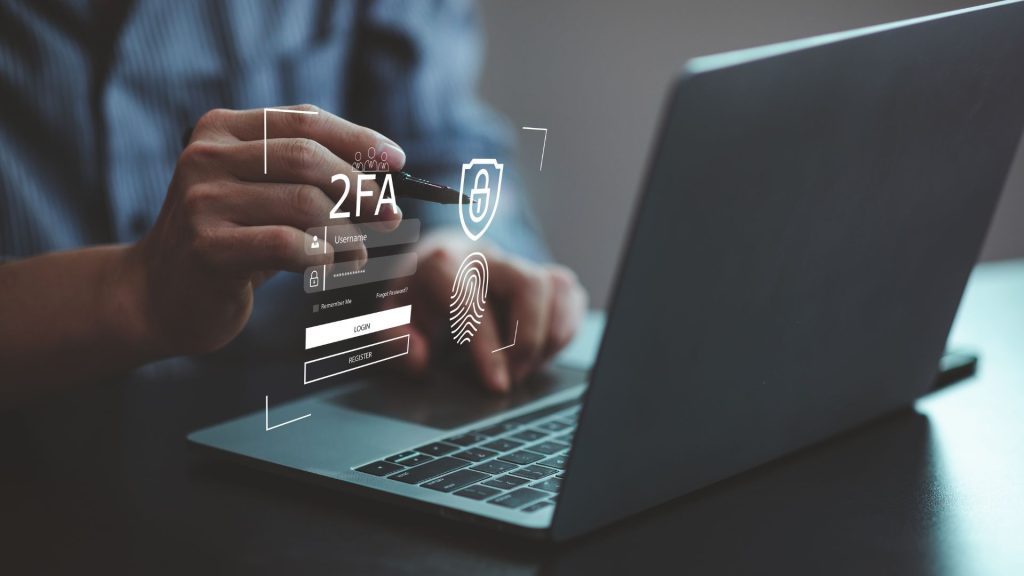
As potential technical solutions to increase the company’s security level, we can consider the use of two-factor authentication (2FA) to hinder unauthorized access to the system, or monitoring tools such as a SIEM (Security Information and Event Management) system, which allows us to detect and analyze events and threats.
These measures are very effective in responding to these types of incidents, but training and raising awareness among staff regarding cybersecurity must be a top priority when transforming our company into a cyber-resilient and secure organization. The most common ways to achieve this goal are through educational talks or different types of drills to test staff performance (phishing simulations and other types of events).
Investment in Cybersecurity: Key to Secure Growth in the Financial Sector
Despite being a relatively new field, investment in cybersecurity is absolutely essential today. Preventing and mitigating potential cyber incidents allows the sector to operate normally and grow securely and reliably.
At ARENA, we are committed to the proper training of our staff, ensuring that we stay up-to-date with the current threat landscape and are always prepared to respond to potential incidents.