Legislative View 2025: Digitalization, Sustainability, and Financial Regulation

Digital transformation has redefined the way we interact with financial services. Today, millions of people access banking products, make payments, invest, and even manage their assets from a mobile app.
This evolution has given rise to a more agile, inclusive, and diverse financial ecosystem, with new consumers, innovative business models, and unprecedented ways of distributing and processing information.
However, this rapid progress also poses significant challenges in terms of security, privacy, transparency, and stability. We also cannot forget sustainability.
In a world increasingly aware of the social and environmental impact of its decisions, the digital financial system must align with sustainability principles that promote a fairer, greener, and more inclusive economy.
In this context, an urgent and unavoidable need arises: to properly regulate this new environment to protect users, ensure the integrity of the system, and foster sustainable and responsible innovation.
Given this context, 2025 will be a key year, with the implementation of two key legislative packages among other legislative initiatives:
Digital Finance Package
This legislative package makes the EU a world leader in digital financial regulation, marking the beginning of a new era in the European economy.
In addition to ensuring the stability of the financial system, its main objectives are to promote technological innovation and protect consumers. The main points of this package are:
MiCA (Markets in Crypto-Assets)
Regulates cryptoassets for the first time in the EU. It requires issuers and providers to register, submit transparent documentation, and comply with user protection standards.
DORA (Digital Operational Resilience Act)
Obliges financial institutions to strengthen their cybersecurity and response capacity to technological incidents, with strict controls and periodic testing.
PSD3 Payment Services Directive and PSR Regulation.
Modernizes payment services and strengthens Open Banking, facilitating competition and increasing security in digital transactions.
Digital Euro
The European Central Bank is working on a public digital currency to complement cash. It will be designed for secure, accessible, and cost-free payments for citizens.
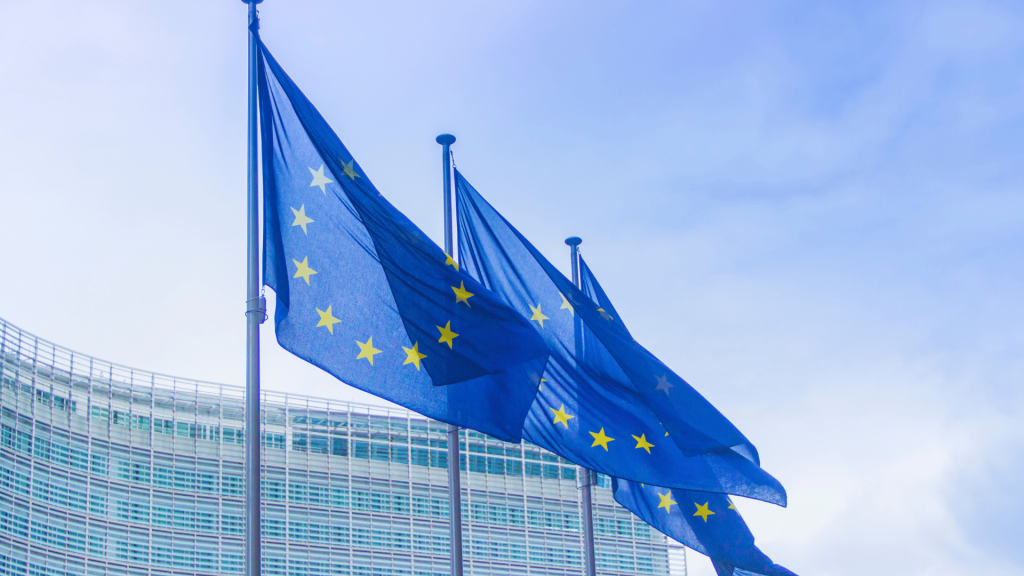
Sustainable Finance Package
The package comes at a time when climate urgency and the need to transition to a low-carbon economy are becoming priorities for policymakers and financial stakeholders.
The EU’s intention is to place finance at the heart of the solution: mobilizing private capital to finance the ecological transition, accelerating green innovation, and creating a fairer, more transparent, and sustainable economic system. The main legislation to be developed within this package is:
EU Taxonomy Regulation
Establishes a common classification for determining whether an economic activity can be considered environmentally sustainable. It provides clarity to investors and companies about what constitutes a “green” investment.
Sustainable Finance Disclosure Regulation (SFDR)
Requires financial market participants to disclose how they integrate ESG factors into their investment processes, thereby reducing the risk of “greenwashing.”
Amendment to the rules of the MiFID II Directive and IDD
MiFID (Markets in Financial Instruments Directive) is an EU directive that regulates the provision of investment services, such as the buying and selling of shares or funds, to protect investors and promote transparency in financial markets. The IDD (Insurance Distribution Directive) regulates insurance distribution in Europe, requiring transparency, training, and product adaptation to customer needs.
The year 2025 marks a turning point for the European financial system. The combination of digital transformation and sustainability demands has created a complex but opportunity-filled environment, requiring ambitious, coherent, and adaptive regulatory responses to changing times.
The legislative packages on digital and sustainable finance are a clear example of the European Union’s willingness to lead change and lay the foundations for a modern, safe, responsible, and inclusive financial system.
Through these initiatives, we seek not only to foster innovation and protect consumers, but also to ensure that finance serves a green and socially committed economy. Ultimately, it’s about building a financial market that combines technology and sustainability, efficiency and ethics, and growth and equity.
At ARENA Tech, we are committed to leading responsible and sustainable innovation, providing value to our clients and making our structures more flexible to adapt to these new regulatory challenges and the transformations in financial markets.